



















Tropical Cyclone Alert: Category 1 Winds Pose No Threat to Population | Curated by Alerts360


Stay Informed: Navigating Weather, Earthquake, and Tsunami Alerts

Understanding Recent Weather Events
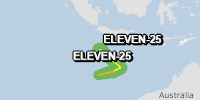
On October 1, 2026, a tropical depression with wind speeds reaching 63 km/h was recorded in the Southwest Indian Ocean. Although the specific countries impacted remain unidentified, it’s crucial to recognize the potential risks associated with such weather phenomena. According to the Global Disaster Alert and Coordination System (GDACS), no population was directly affected by winds of 120 km/h or more during this event. However, these figures are preliminary and subject to updates as more data becomes available.
Preparedness: Your Best Defense
Regardless of the alert level, being prepared is essential. Regularly review and update your local emergency plans. Ensure you have a well-stocked emergency kit and a clear understanding of evacuation routes. Familiarize yourself with the types of alerts issued by local authorities and what actions to take for each.
Trustworthy Information Sources
In times of crisis, misinformation can spread rapidly. Always rely on official sources for updates, such as government agencies and recognized meteorological organizations. Avoid sharing unverified information, as this can lead to unnecessary panic and confusion.
Stay Calm and Informed
During any alert, maintaining a calm demeanor is vital. Stay informed by monitoring official channels and following the guidance provided by local authorities. This approach not only ensures your safety but also helps in making informed decisions during emergencies.
Recent Global Events: A Wake-Up Call
Recent global weather events highlight the increasing frequency and intensity of natural disasters. For instance, the 2023 Atlantic hurricane season saw a record number of storms, emphasizing the need for heightened awareness and preparedness. Understanding these patterns can help communities better prepare for future occurrences.
Conclusion: Proactive Measures Save Lives
By staying informed, preparing adequately, and following official guidance, you can significantly reduce the risks associated with natural disasters. Remember, your proactive measures today can make a substantial difference in ensuring safety and resilience in the face of nature’s unpredictability.
What's Your Reaction?
 Like
0
Like
0
 Dislike
0
Dislike
0
 Love
0
Love
0
 Funny
0
Funny
0
 Angry
0
Angry
0
 Sad
0
Sad
0
 Wow
0
Wow
0